How gamification elements influence risk perception in casinos
Gamification and the Illusion of Safety
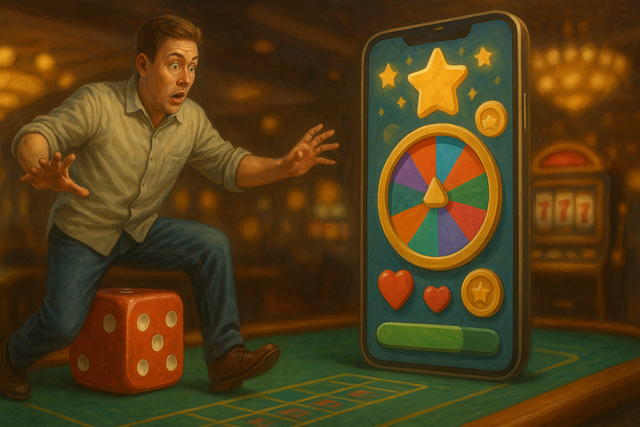
Gamification elements change how players interpret risk inside modern casino environments. Bright visuals and reward animations soften the emotional weight of placing a bet. The design feels playful, so the mind interprets each action as entertainment instead of financial risk. Many players enter a session with lower natural caution because the interface feels light, colourful, and welcoming. These cues create the same comfort found in casual games. This comfort weakens rational distance from potential losses.
Progress bars and achievement badges amplify this shift. The player focuses on filling meters, unlocking rewards, and watching animations unfold. The brain prioritises visual satisfaction over long-term outcomes. The environment feels controlled, even when results rely on probability. This comfort often leads to overconfidence. Players treat each round as a chance to earn another dopamine boost instead of a moment that carries financial impact.
Sound effects play a strong role in this misalignment. Positive tones reward small wins and mask the emotional hit of frequent losses. The session rhythm builds a sense of safety. The tempo feels inviting and fast enough to discourage careful reflection. The player continues because the experience stays stimulating. This effect becomes even stronger in instant games. The environment never pauses long enough for a grounded reassessment of risk.
Progress Systems That Redirect Focus
Progress systems guide the player’s attention toward growth instead of caution. Levels rise, missions complete, and bonuses unlock. The mind interprets these milestones as signs of improvement. This interpretation remains strong even in games that rely on luck. The player feels skill development and momentum. The experience transforms into a personal challenge rather than a gambling session. This shift explains why games like Avia Masters casino attract players who enjoy progress-focused environments.
Level-based systems create a long-term goal structure. The pursuit of achievements keeps players active through losses. The player frames each setback as part of a journey. Some games include daily missions or streak bonuses that encourage continued play. These features push attention toward reaching the next reward. The psychological tension between risk and progress tilts in favour of progress. The emotional drive becomes stronger than the analytical voice that prompts caution.
Short game cycles reinforce this behavioural pattern. Each round ends quickly. Each new attempt offers the chance to improve progress. The player has no extended pause to evaluate strategy. The session becomes a fast loop of action, feedback, and new objectives. This flow compresses decision-making windows. The player moves forward impulsively because the rhythm feels productive. The reward loop overshadows the financial aspect because the structure mirrors mobile game progression.
Social Features That Influence Group Risk Behaviour
Social features alter individual perception of risk inside online casinos. Leaderboards highlight big wins. Public streaks appear on the interface. Chat rooms fill with reactions. These cues shape expectations. The environment creates a sense of shared energy. This energy influences risk tolerance. Players adopt the behaviours they observe. The mind interprets visible success as evidence of favourable outcomes. This interpretation increases risk-taking.
Shared sessions amplify emotional contagion. Excitement moves from one player to another. The urge to match group intensity grows. A single high multiplier sparks a chain of bold decisions. The presence of others makes cautious strategies feel less appealing. The player wants to keep pace with the social atmosphere. The mind gives more weight to group celebration than to previous losses. The psychological pressure grows subtly. The player raises bets because the group sets the tone.
In-game communication fosters this shift. Messages highlight wins, strategies, and lucky moments. The narrative inside the chat influences player beliefs. The environment feels active and alive. This liveliness strengthens engagement. Players remain longer because the shared experience boosts immersion. The emotional reward of participation competes with the financial cost of continuation. Risk perception changes because the social layer reframes each round as a communal event.
Design Cues That Speed Up Decisions
Sound and speed play a central role in decision shaping. Fast-paced games shorten reaction windows. Each event moves quickly. The rising tension pressures the player to act fast. The tempo prevents deliberate thought. The player experiences a rush. This rush overrides caution. Positive sound cues affirm every small success. These affirmations sustain momentum. The environment feels safe because it sounds pleasant.
Interface clarity influences trust. Clean visuals inspire confidence in choices. Smooth animations create the impression of control. Buttons respond instantly. The entire layout feels user-friendly. This feeling reduces hesitation. The player acts because the design removes friction. The sense of smooth interaction lowers the perceived seriousness of decisions. Bright colours and fluid motion keep attention locked on the action. The emotional system dominates the logical system because the interface feels supportive.
Crash-style mechanics intensify this effect. A rising multiplier creates escalating pressure. Each second raises potential reward. Each tick also raises potential loss. The tension encourages snap decisions. The window for reflection closes quickly. The player becomes absorbed in the growth curve. This absorption narrows awareness of long-term risk. The environment rewards instinct rather than patience. The design turns every moment into a high-pressure choice. The player treats each round as an opportunity rather than a calculation.